How Weather and Temperature Changes Affect Concrete
To address how weather and temperature changes affect concrete, local contractors can provide expert repair services to prevent cracking, shifting, and deterioration.
Understanding how weather and temperature changes affect concrete is essential for property owners looking to maintain the integrity and appearance of their structures. Fluctuations in temperature can cause concrete to expand and contract, leading to cracks, surface deterioration, or even structural issues over time. For those managing driveways, patios, or foundations, recognizing these effects can help prevent costly repairs down the line. Local contractors experienced in concrete repair can assess how weather patterns impact specific properties and recommend appropriate solutions to keep surfaces durable and safe.
Property owners in the area who notice cracks, uneven surfaces, or signs of wear may find it beneficial to explore how weather and temperature changes affect concrete. These factors are often behind common issues that require professional attention to restore stability and extend the lifespan of concrete surfaces. Connecting with local service providers specializing in concrete repair can ensure that any weather-related damage is properly addressed, helping properties stay in good condition regardless of seasonal shifts. Keep reading to learn more about how weather influences concrete and what steps can be taken to protect your investment.
- Crack Repair - when freeze-thaw cycles cause concrete to crack, local contractors can assess and restore structural integrity.
- Surface Resurfacing - as temperature fluctuations lead to surface deterioration, service providers can apply protective overlays to extend concrete lifespan.
- Sealing Services - in areas with significant weather changes, local pros recommend sealing to prevent moisture intrusion and damage.
- Joint Repair - temperature shifts can cause joint failure, and local contractors can replace or reinforce joints to prevent further issues.
- Structural Reinforcement - when weather-related expansion and contraction weaken concrete structures, service providers can strengthen and stabilize foundations.
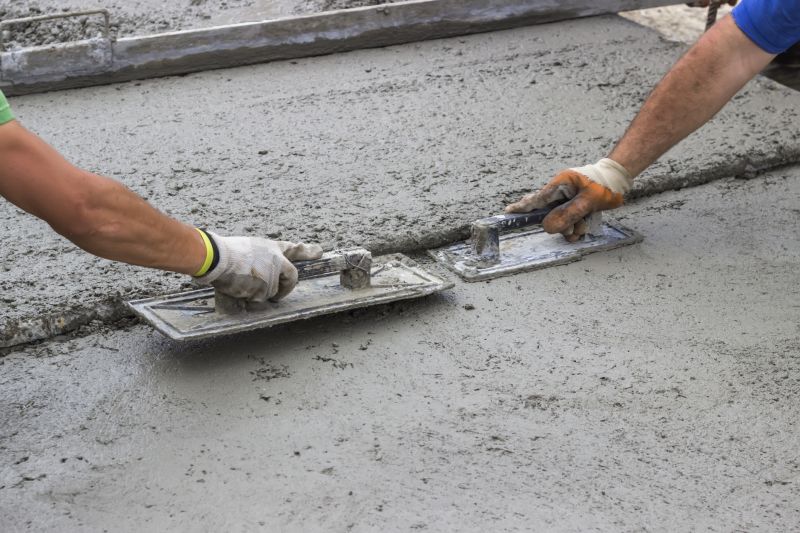
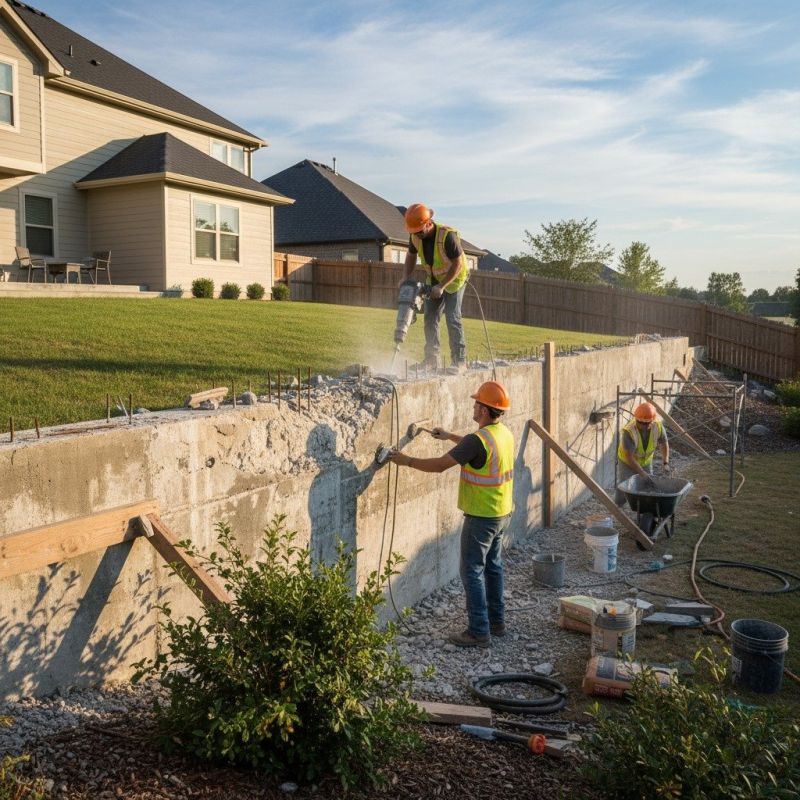
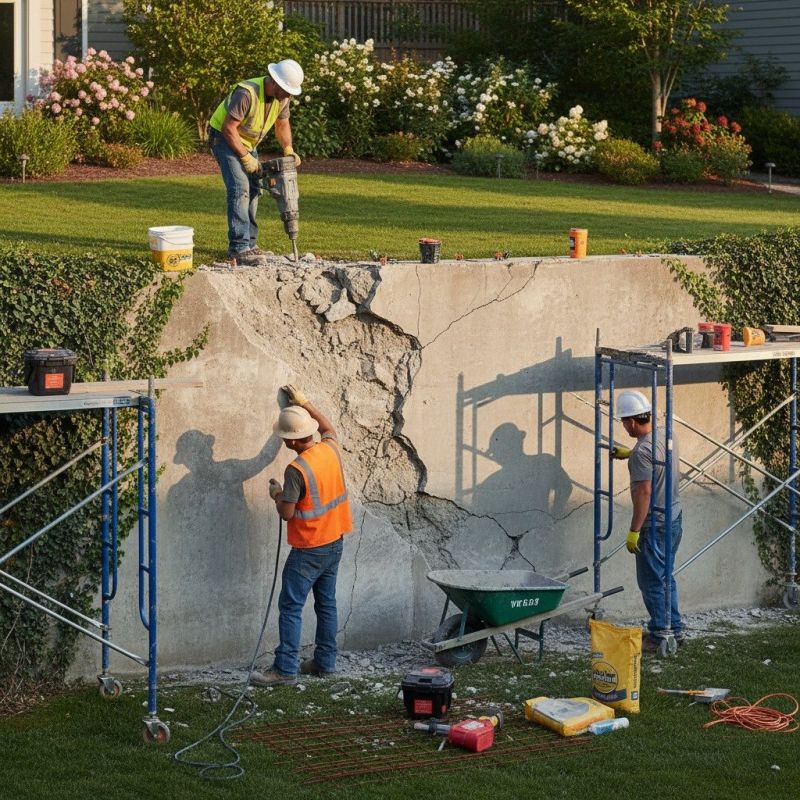
Understanding how weather and temperature changes affect concrete is essential for homeowners planning repairs, replacements, or new installations. When temperatures fluctuate, they can cause concrete to expand and contract, which over time may lead to cracking, spalling, or other forms of damage. Homeowners often search for this topic to learn how seasonal shifts might impact their existing concrete surfaces, such as driveways, patios, or walkways, or to understand what to expect during future construction projects. Recognizing these effects helps in making informed decisions about when to schedule repairs or reinforcement work to prevent further deterioration.
This topic is closely related to a variety of practical concerns and planning efforts around concrete projects. For example, homeowners may notice cracks forming after a particularly hot summer or a cold winter, prompting questions about whether repairs are necessary or if the concrete has been compromised. It also relates to plans for installing new concrete features that need to withstand local weather conditions. Knowing how temperature swings influence concrete's behavior can guide choices in materials, installation timing, and protective measures, ensuring that projects are more durable and long-lasting. Local service providers who specialize in concrete repair can assess these weather-related impacts and recommend solutions tailored to the specific climate conditions of the area.
The properties of concrete that are most affected by weather and temperature changes include its ability to expand and contract, its resistance to cracking, and its overall structural integrity. Concrete naturally shrinks as it cures and continues to respond to temperature variations over time. In hot weather, concrete can expand, leading to warping or buckling if not properly designed or reinforced. Conversely, cold temperatures can cause contraction, increasing the risk of cracking or surface spalling. These property changes are especially relevant for surfaces exposed to the elements, such as driveways, patios, and foundation slabs. Local contractors experienced in weather-related concrete issues can evaluate these properties and suggest appropriate remedies or preventative measures.
For homeowners facing weather-related concrete challenges, understanding these effects is key to maintaining the safety and appearance of their property. Local concrete repair professionals can identify issues caused by temperature fluctuations and recommend targeted repairs or reinforcements. Whether it’s sealing cracks, adding expansion joints, or applying protective coatings, these specialists help ensure concrete surfaces remain stable despite weather changes. Connecting with local contractors who understand the specific demands of the area’s climate can lead to more effective, lasting solutions, giving homeowners peace of mind that their concrete features will withstand seasonal shifts and continue to serve their needs effectively.
Pavement Restoration - local contractors specializing in pavement repair understand how weather and temperature changes affect concrete surfaces and can restore durability and appearance.
Foundation Repair - experts in foundation services are familiar with the impact of temperature fluctuations on concrete foundations and can address related issues effectively.
Concrete Sealing - service providers offering sealing solutions help protect concrete from weather-related damage caused by temperature shifts and moisture exposure.
Driveway Resurfacing - local pros skilled in resurfacing work can repair cracks and surface deterioration resulting from temperature extremes and weather conditions.
Sidewalk and Patio Installation - contractors experienced in outdoor concrete projects understand how weather influences material performance and longevity.
Crack Repair Services - specialists in crack repair are adept at addressing damage caused by expansion and contraction due to changing weather patterns.
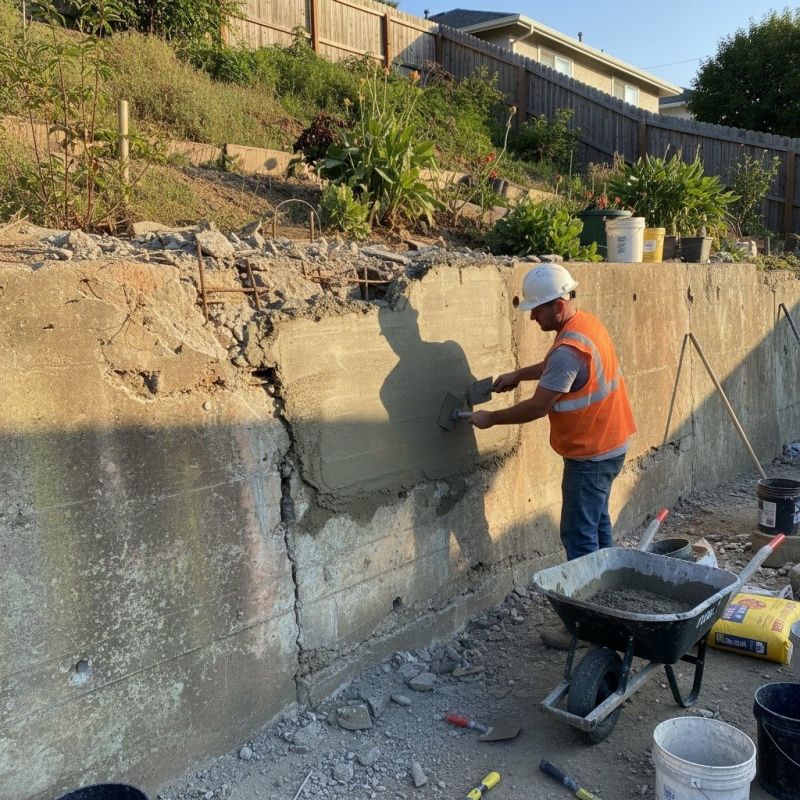
When evaluating service providers for concrete repair related to how weather and temperature changes affect concrete, it’s important to consider their experience with similar projects. Homeowners should look for local contractors who have a proven track record of addressing concrete issues caused by temperature fluctuations, such as cracking, spalling, or uneven settling. Asking for examples of past work or references can provide insight into their familiarity with the challenges posed by local climate conditions and their ability to deliver results that stand up to weather-related stresses.
Clear written expectations are essential when comparing local contractors for concrete repair services. A reputable service provider should be able to outline the scope of work, including the methods and materials they plan to use to address weather-related damage. This transparency helps ensure that both parties understand the project requirements and can prevent misunderstandings. Homeowners should seek detailed proposals that specify what repairs will involve and how the work will mitigate issues caused by temperature changes, enabling more informed decision-making.
Good communication and reputable references are key factors in selecting the right local pros for concrete repairs. Service providers who are responsive and willing to answer questions about how weather and temperature changes impact concrete demonstrate professionalism and a commitment to quality. Additionally, obtaining references or reviews from previous clients who faced similar weather-related challenges can offer valuable reassurance about the contractor’s ability to handle the specific demands of the local environment. This approach helps homeowners choose a contractor capable of delivering durable and effective solutions for their concrete concerns.
Property owners often search for how weather and temperature changes affect concrete when they are planning practical projects around their homes and businesses. Local pros provide Concrete Repair services for everyday jobs and straightforward project options.
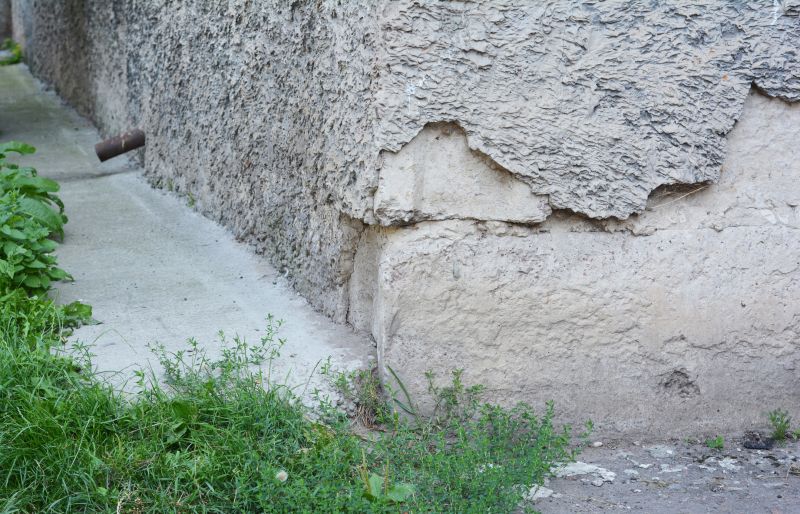
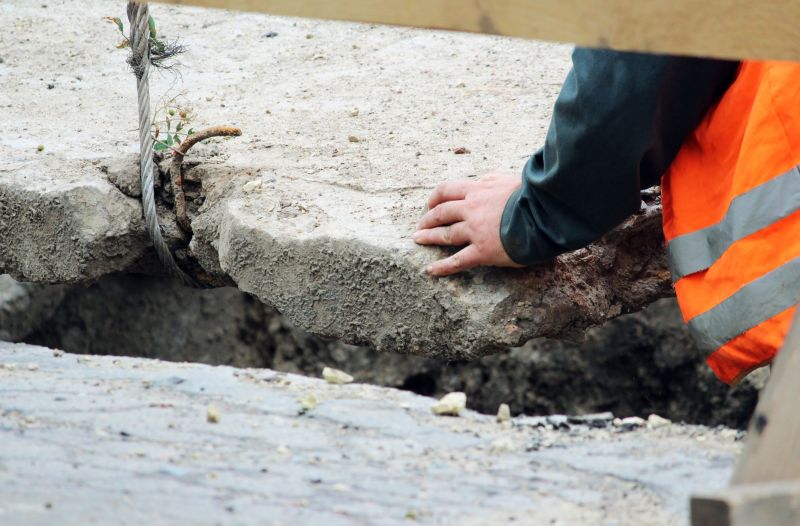
Weather and temperature fluctuations can significantly impact concrete surfaces in everyday project situations. For property owners, understanding how these changes affect concrete helps in planning repairs or maintenance, especially after extreme heat, cold, or rapid temperature shifts. When temperatures rise or fall sharply, concrete can expand or contract, potentially leading to cracks, surface deterioration, or uneven settling. Recognizing these effects early can prevent more extensive damage and ensure that repairs are durable and effective.
Local contractors and service providers experienced in concrete repair are well-equipped to address issues caused by weather and temperature changes. They can assess the condition of existing concrete, identify weather-related damage, and recommend appropriate solutions to restore stability and appearance. Whether dealing with crack repair, surface leveling, or sealing, property owners can rely on these professionals to handle the job efficiently, helping to maintain the integrity of concrete structures despite changing weather conditions.
How do temperature fluctuations impact concrete durability? Temperature changes can cause concrete to expand and contract, leading to cracks and structural weaknesses over time. Local contractors experienced in concrete repair can assess and address damage caused by these fluctuations.
What effects do weather conditions have on concrete surfaces? Weather conditions such as rain, snow, and freezing temperatures can weaken concrete and cause surface deterioration. Local service providers can help repair and protect concrete affected by adverse weather.
Can extreme heat or cold cause concrete to crack? Yes, extreme heat can cause concrete to expand rapidly, while cold temperatures can lead to contraction and cracking. Local pros can recommend solutions to minimize damage from temperature extremes.
How does moisture from weather influence concrete integrity? Excess moisture from rain or snow can lead to freeze-thaw cycles that damage concrete. Local contractors can perform repairs and apply treatments to improve concrete resilience against moisture damage.
Why is it important to repair concrete affected by weather and temperature changes? Addressing weather-related concrete issues promptly helps prevent further deterioration and maintains the structural integrity of surfaces. Local service providers can evaluate and perform necessary repairs to extend the lifespan of concrete.
Temperature fluctuations and concrete expansion - local contractors can help manage concrete expansion caused by temperature changes through proper joint placement and sealing.
Weather-related cracking prevention - experienced service providers can recommend techniques to minimize cracking during extreme weather conditions.
Adapting to seasonal moisture levels - local pros can advise on moisture control strategies to prevent damage from freeze-thaw cycles and humidity variations.
Timing concrete repairs for optimal results - understanding how weather impacts curing and setting helps service providers plan repairs for the best durability.
If you are thinking about how weather and temperature changes affect concrete for a property, this guide is meant to help you understand this topic, the typical project types, and how different options might fit your plans.
When you are ready, you can use the quote form on this page to share a few details about your project. From there, local pros can review the basics and follow up with options that match what you have in mind.