Concrete Repair vs Replacement: Which Is the Better Option?
Choosing between concrete repair and replacement depends on the condition of your concrete, and local contractors can help determine the best solution for your needs.
Deciding between concrete repair and replacement is a common concern for property owners looking to restore or improve their outdoor spaces. Whether dealing with cracks, uneven surfaces, or other signs of wear, understanding which option best suits a particular situation can help save time, money, and effort. Property owners in the area often explore this topic to determine whether minor repairs will suffice or if a full replacement is necessary to ensure safety and longevity. Local contractors specializing in concrete services can provide valuable insights and solutions tailored to each property's unique needs, making it easier to choose the most practical approach.
As you read further, you'll discover practical guidance on assessing the condition of existing concrete and weighing the benefits of repair versus replacement. Many local service providers offer a range of solutions designed to extend the life of concrete surfaces or replace them when repairs are no longer effective. Exploring these options can help property owners make informed decisions that align with their goals and budget, ensuring their outdoor spaces remain functional and attractive for years to come. Keep going to find out how local experts can assist with concrete repair or replacement tailored to your specific project.
- Concrete repair services are suitable when cracks, surface damage, or minor structural issues are present, and local contractors can evaluate whether patching or resurfacing restores the concrete's integrity. Replacement services are often needed when the existing concrete is severely damaged, deeply cracked, or has significant structural problems that cannot be effectively repaired. Local service providers approach concrete repair vs replacement by assessing the extent of damage to recommend the most cost-effective and durable solution. For surfaces with limited wear or minor issues, repair is typically sufficient, while extensive deterioration may require full replacement. Contact local contractors to determine whether concrete repair or replacement is the better option for specific project needs.
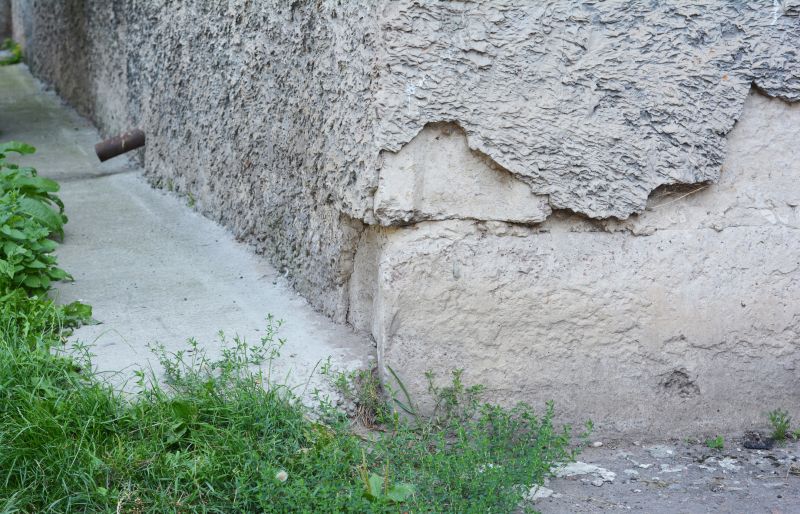
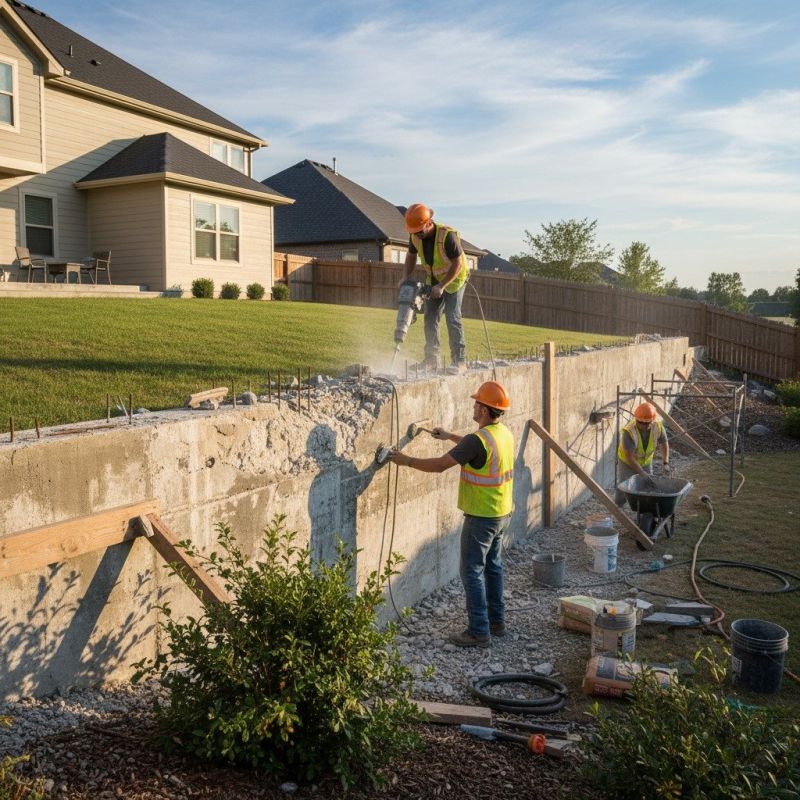
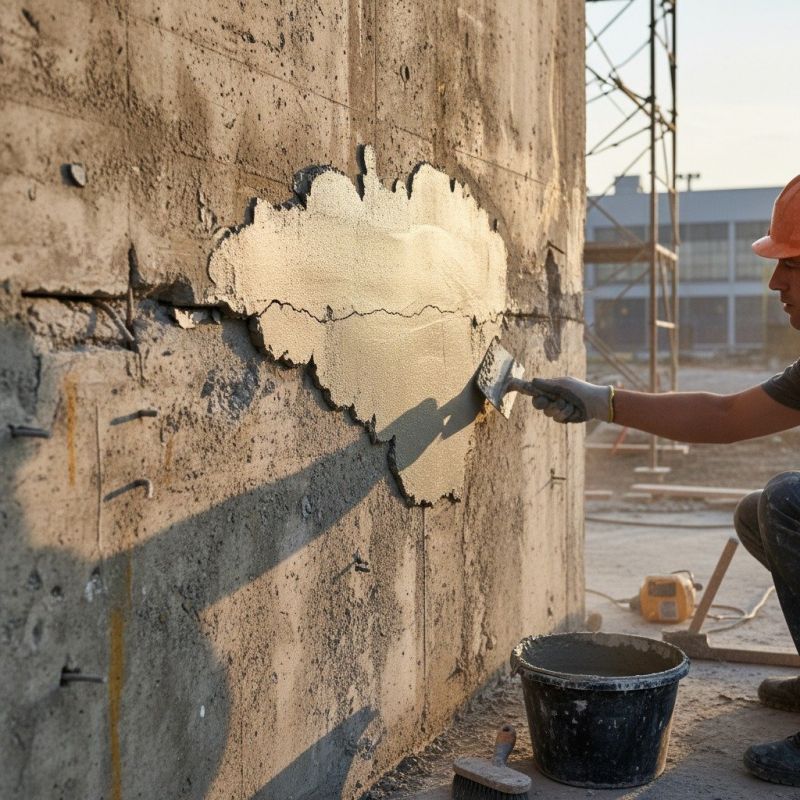
When homeowners search for information about concrete repair vs replacement: which is the better option?, they are usually trying to determine the most effective way to address issues with their existing concrete surfaces. This question often arises when cracks, spalling, unevenness, or deterioration become visible in driveways, patios, sidewalks, or garage floors. The goal is to understand whether repairing the existing concrete can restore its strength and appearance or if a full replacement is necessary to ensure safety and longevity. This decision is influenced by the extent of damage, the age of the concrete, and the overall condition of the surface, making it a common concern for property owners seeking practical solutions to maintain or improve their properties.
The topic relates closely to a variety of common property problems and renovation plans. For example, homeowners dealing with cracked driveways that pose tripping hazards or unsightly patios that have developed uneven surfaces often explore whether repairs will suffice or if replacement is the better long-term solution. It also applies to projects where upgrading or restoring concrete around pools, walkways, or commercial properties is involved. Understanding the differences between repair and replacement helps property owners make informed choices that align with their goals-whether it’s extending the lifespan of existing concrete or starting fresh with a new surface. Local contractors who specialize in concrete work can evaluate the specific issues and recommend the most suitable approach for each situation.
Properties that typically come up in discussions about concrete repair vs replacement include residential homes, commercial buildings, and public spaces. Residential properties often feature driveways, patios, and walkways that may require attention after years of wear and tear. Commercial properties, such as parking lots and storefronts, frequently face higher traffic and environmental exposure, which can accelerate concrete deterioration. Public infrastructure like sidewalks, parks, and sports courts also encounter issues that prompt questions about whether repairs can restore functionality or if replacement is necessary for safety and compliance. Local service providers are experienced in handling these diverse property types and can assess the specific needs of each project to determine the most practical and cost-effective solution.
Choosing between concrete repair and replacement depends on several practical factors. Repair options include patching cracks, sealing surfaces, or applying overlays that can extend the life of the existing concrete at a lower cost and with less disruption. Replacement, on the other hand, involves removing the old concrete and installing new surfaces, which may be necessary when damage is extensive or structural integrity is compromised. Understanding the condition of the concrete and the scope of the damage is crucial in making this decision. Local contractors can inspect the property, evaluate the severity of the issues, and advise on whether repair methods will be sufficient or if a full replacement will provide a more durable and long-lasting result. This helps property owners choose the best approach for their specific situation and project goals.
Pavement Restoration Projects - these projects involve repairing and restoring asphalt or concrete pavements, requiring skills in surface preparation and material application similar to concrete repair services.
Foundation Stabilization - local contractors often perform foundation repairs that involve soil assessment, crack injection, and structural reinforcement, paralleling techniques used in concrete repair versus replacement decisions.
Driveway Resurfacing - resurfacing driveways with new concrete or overlay materials engages similar planning and skillsets as concrete repair, helping to extend surface lifespan without full replacement.
Sidewalk and Patio Repairs - fixing cracks or uneven surfaces in walkways and patios involves crack sealing and surface leveling, akin to concrete patching and repair methods.
Structural Concrete Repairs - these projects focus on restoring load-bearing concrete elements through patching and reinforcement, sharing techniques with concrete repair processes.
Industrial Floor Repairs - repairing and maintaining concrete floors in warehouses or factories requires expertise in surface preparation and material application comparable to concrete repair and replacement services.
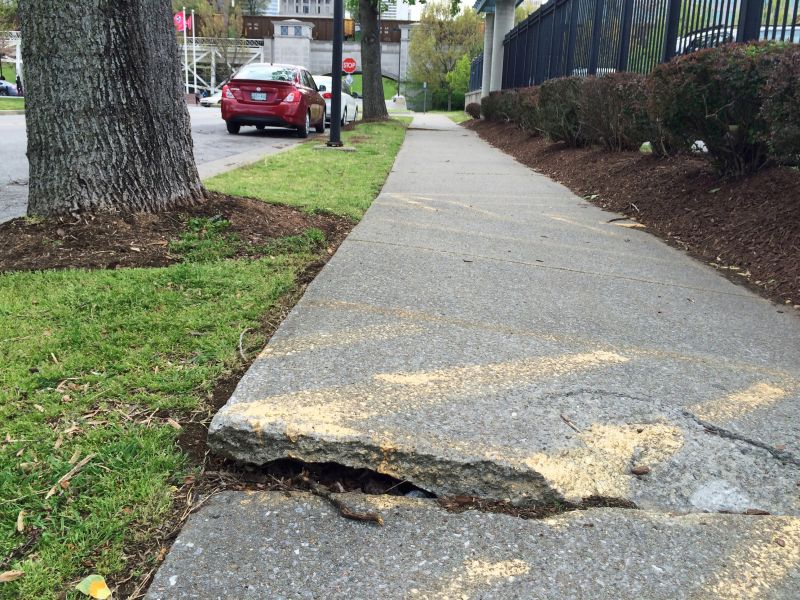
When evaluating concrete repair versus replacement, it is important to consider the experience of local contractors with similar projects. Homeowners should seek out service providers who have a proven track record of successfully handling concrete issues comparable to their own, whether it involves cracks, surface deterioration, or structural concerns. Contractors with relevant experience can better assess the extent of damage, recommend appropriate solutions, and execute repairs or replacements efficiently. This familiarity often translates into a more predictable process and helps ensure that the chosen approach-repair or replacement-is suitable for the specific condition of the concrete.
Clear written expectations are a vital part of comparing local pros for concrete work. Homeowners should look for service providers who can provide detailed descriptions of the scope of work, materials to be used, and the steps involved in either repairing or replacing concrete. Having a transparent outline helps prevent misunderstandings and ensures that both parties are aligned on project goals. Well-documented expectations also serve as a foundation for evaluating proposals and making an informed decision about which contractor’s approach best addresses the needs of the project while aligning with the homeowner’s preferences.
Reputable references and strong communication are essential when choosing a local contractor for concrete repair or replacement. Homeowners are encouraged to seek out service providers who can offer references from previous clients with similar projects, giving insight into their reliability and quality of work. Good communication throughout the process - including responsiveness, clarity, and willingness to answer questions - helps build confidence in the contractor’s professionalism and commitment to customer satisfaction. When a contractor maintains open lines of communication and provides credible references, homeowners can feel more assured that the chosen professional will deliver results that meet expectations and properly address their concrete concerns.
Property owners often search for concrete repair vs replacement: which is the better option? when they are planning practical projects around their homes and businesses. Local pros provide Concrete Repair or Replacement services for everyday jobs and straightforward project options.
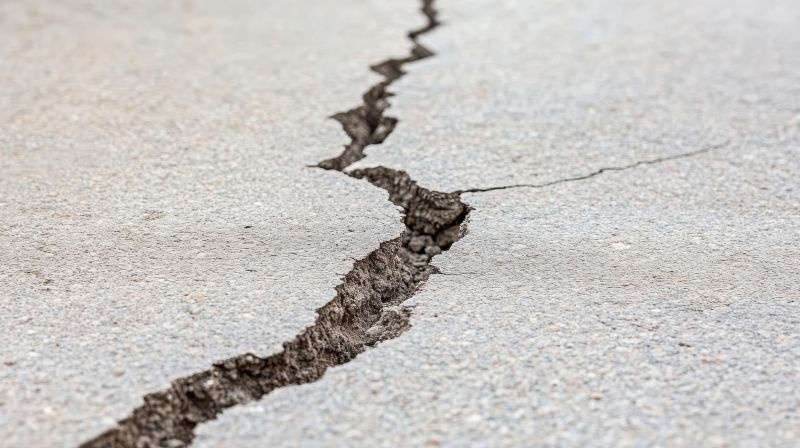
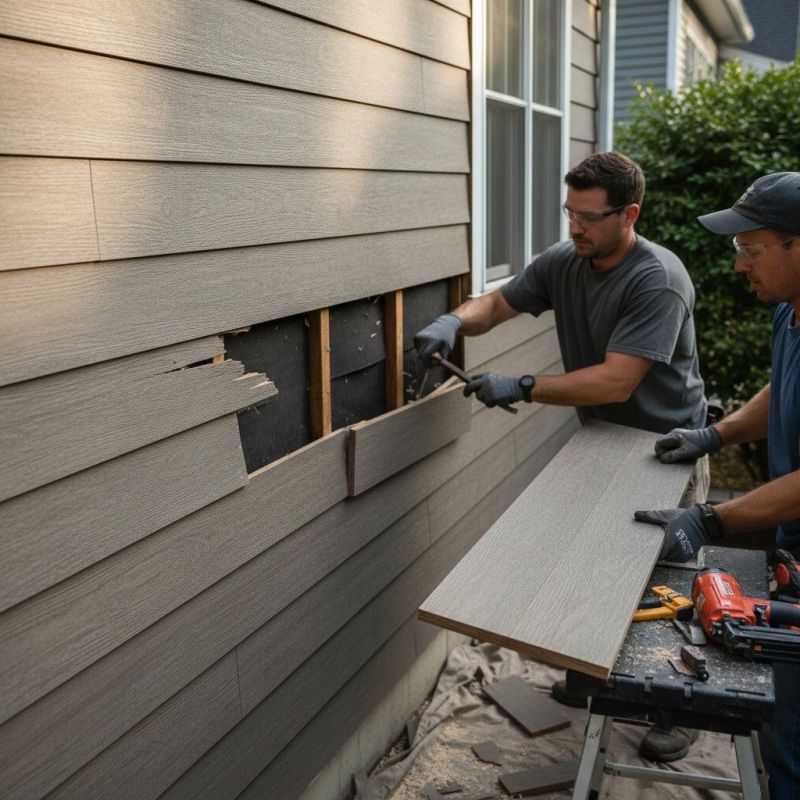
When property owners notice cracks, uneven surfaces, or deterioration in their concrete structures, they often wonder whether repair or replacement is the best course of action. In many everyday situations, such as fixing a cracked driveway or a worn-out patio, concrete repair services offered by local contractors can be a practical and cost-effective solution. Repair options can address specific issues like surface cracks or minor settling, helping to restore the appearance and functionality of the concrete without the need for full replacement. Property owners seeking quick, less disruptive fixes may find that consulting local pros for repair services is a convenient first step.
However, in cases where concrete has extensive damage, deep structural issues, or has become unsafe, replacement might be the more appropriate choice. Local contractors can evaluate the condition of the concrete and advise whether repair will hold or if a full replacement is necessary to ensure safety and longevity. For larger projects or heavily damaged surfaces, replacement services might provide a more durable and long-term solution. Property owners exploring this topic often turn to local pros who can help determine the most effective approach based on the specific condition of their concrete and their overall project goals.
When should concrete repair be considered instead of replacement? Concrete repair is typically suitable when damage is minor, such as small cracks or surface deterioration, and the structural integrity remains intact. For more extensive issues or significant structural problems, replacement might be the better option, and local contractors can evaluate the condition to recommend the best solution.
Can concrete repair effectively address all types of damage? Repair methods are effective for addressing surface issues like cracks, spalling, or surface stains. However, for deep-seated structural damage or widespread deterioration, concrete replacement may be necessary, and experienced service providers can assess which approach is appropriate.
Is replacement always more costly than repair? While replacement can involve higher upfront costs, it may be more cost-effective in cases of severe damage where repairs would be extensive or temporary. Local contractors can help determine whether repair or replacement offers the better long-term value based on the condition of the concrete.
How do local service providers determine whether to repair or replace concrete? They assess factors such as the extent of damage, age of the concrete, and structural stability. Based on this evaluation, they recommend the most practical and durable solution-whether that’s repairing the existing concrete or opting for a full replacement.
What are the benefits of choosing concrete repair over replacement? Repairing concrete can preserve existing structures, minimize disruption, and be more affordable for minor issues. Local contractors can provide options that extend the lifespan of concrete surfaces without the need for full replacement when appropriate.
Assessing Damage - Property owners can evaluate whether concrete damage is minor surface cracks or deeper structural issues, helping them decide if repair services are sufficient.
Choosing Repair or Replacement - Understanding when concrete repair is practical versus when replacement is necessary can guide property owners in planning their project with local contractors.
Planning for Long-Term Durability - Considering the age and condition of existing concrete helps determine if repair can extend its lifespan or if replacement will provide a more lasting solution.
Scheduling Professional Assessments - Contacting local service providers for expert evaluations ensures property owners receive tailored advice on whether concrete repair or replacement best suits their needs.
If you are thinking about concrete repair vs replacement: which is the better option? for a property, this guide is meant to help you understand this topic, the typical project types, and how different options might fit your plans.
When you are ready, you can use the quote form on this page to share a few details about your project. From there, local pros can review the basics and follow up with options that match what you have in mind.